
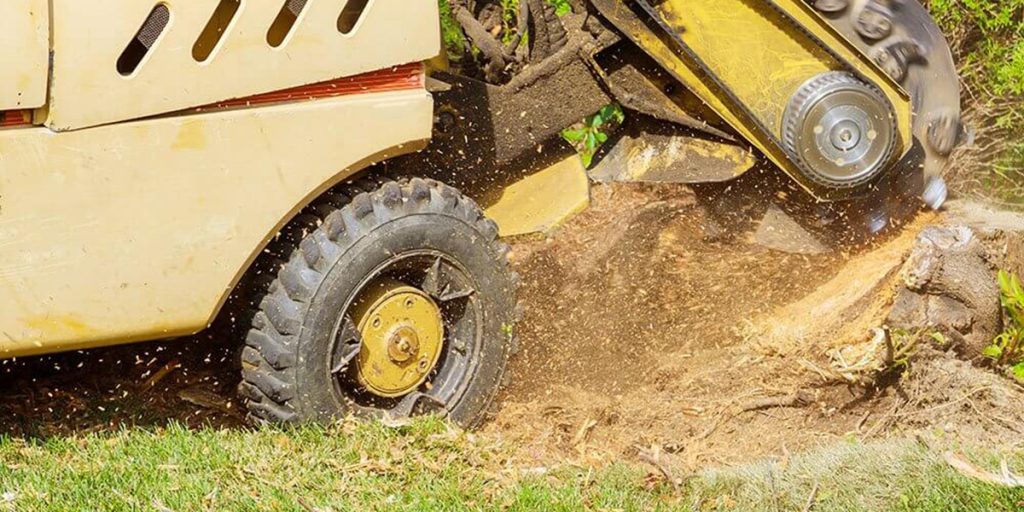
When you have to cut down trees in your yard (or they fall during a fierce storm), getting rid of the trunk and branches is only the first step to reclaiming your yard. You also need to decide what to do with the stump that’s left behind. Proper care helps the area heal quickly, look great, and prevent future problems.
Stump grinding is efficient, but the space left behind still needs attention to avoid uneven ground, pest infestations, or unwanted new growth. Knowing what to do after stump grinding ensures a smooth, safe outdoor space.
How Stump Grinding in Asheville, NC, Benefits Homeowners
Stump grinding provides more than just aesthetic improvements. First, it improves safety by eliminating tripping hazards posed by old stumps, especially in areas where children play or people gather. It also dramatically improves the appearance and curb appeal of your property, eliminating an eyesore and creating a cleaner, more inviting landscape.
However, stump grinding in Asheville, NC, also supports your yard’s long-term health. Over time, leftover stumps can attract insects or fungi that may spread to other trees. Eliminating the old root system creates space for new landscaping, gardens, or lawns, supporting long-term health and usability so your yard thrives season after season without ongoing issues.
Steps To Take After Removing a Tree Stump
When choosing a stump removal method, grinding stands out for its efficiency and minimal disruption. Chemical treatments or digging might work for small stumps, while grinding handles larger ones quickly.
Knowing what to do after stump grinding is more important than the removal speed, though.
Cleaning Up and Preparing Soil
Proper soil preparation ensures that the area doesn’t sink over time and sets the stage for new growth, so when the stump is gone, remove any debris, leftover bark, and wood chips. Level the area by filling in the hole with topsoil, so it’s ready for planting new grass or other plants.
Mulching
Applying mulch prevents soil erosion and helps retain moisture. Spread stump grindings around plants to retain moisture and suppress weeds. It provides natural soil fertilization as it decomposes, supporting healthier vegetation.
Planting Grass
Turning the spot where the tree once stood into a lawn brings the space back to life, helps prevent weeds, and stabilizes the area. Choose a seed mix suited to the local climate, then water regularly.
Managing Drainage
Removing a tree can affect the drainage in that spot. Water pooling in the depression left by a stump can cause puddles when it rains, prevent grass from growing, and contribute to pest problems. Installing slight slopes or amending clay-heavy areas with sand or organic matter to improve drainage keeps the area dry and usable year-round.
Ongoing Care for Roots After Stump Grinding
Keeping your yard lean means knowing what happens to the remaining roots after stump grinding. They’ll gradually decompose, but regular maintenance prevents unwanted sprouts and keeps the yard looking uniform. Following these steps guarantees a smooth, safe, and attractive outdoor space for years to come.
For professional guidance and reliable service, contact Earthworks Tree Services at (828) 774-1984 to ensure you know what to do after stump grinding.